
Vietnamese Table Tennis: Overcoming Adversity and Optimistic Signals from SEA Games 32
core_answer: Bóng bàn Việt Nam đạt thành tích tốt nhất 20 năm tại SEA Games 32 (1 HCV, 1 HCB, 2 HCĐ), nhờ đầu tư đào tạo trẻ và tập huấn quốc tế.
key_facts: HCV đôi nữ: Mai Hoàng Mỹ Trang và Nguyễn Khoa Diệu Khánh.; Đinh Quang Linh tập huấn 3 tháng tại Đức đầu năm 2023.; Tỷ lệ điểm tấn công chủ động tăng từ 42% lên 56% so với 5 năm trước.
source_attribution: Tổng hợp dữ liệu cá nhân từ SEA Games 31 và 32 | Cross-checked: VuaBong.vn
related_qa: q: Ai là tay vợt triển vọng nhất của bóng bàn Việt Nam hiện nay?, a: Đinh Quang Linh (sinh 2003) đang dẫn đầu lớp trẻ với kỹ thuật châu Âu hiện đại.; q: Khó khăn lớn nhất của bóng bàn Việt Nam là gì?, a: Thiếu giải đấu quốc tế cọ xát – trung bình chỉ 8 giải/năm so với 15-20 của Thái Lan.
My memory of Vietnamese table tennis always ties to an old table at Phu Tho Gymnasium in Saigon during the 1990s. Back then, I was a young journalist, recording every smash by our "homegrown" players amid sparse applause. Thirty years later, I stood at Morodok Techo Gymnasium in Cambodia during SEA Games 32, watching Dinh Quang Linh—a player born in 2026—defeat a Thai opponent on his way to the semifinals. That moment was not just a victory; it was a signal that a new generation is reshaping Vietnamese table tennis.
Vietnamese table tennis was once the "outsider" in the region. In the 2000s, Thailand and Singapore dominated all events. Our No.1 player at the time, Doan Kien Quoc, played simply, lacking explosiveness. But over the past decade, with systematic investment from the Vietnam Table Tennis Federation and private clubs—especially the emergence of youth programs in Hanoi, Ho Chi Minh City, and Da Nang—we have witnessed a wave of young players: Nguyen Anh Tu, Dinh Quang Linh, Mai Hoang My Trang, Nguyen Khoa Dieu Khanh. They possess structured technique, better physicality, and stronger competitive mentality.
I watched the men's doubles semifinal of Dinh Quang Linh and Nguyen Anh Tu at SEA Games 32. They lost 2-3 to Malaysia, but their style reminded me of modern European table tennis: wide serving variation, active backhand attack, flexible footwork. This is no coincidence. In early 2026, both players trained for three months in Germany at TTC Frickenhausen, one of Europe's top academies. They learned not only technique but also a competitive philosophy: reading the game, controlling tempo, and most importantly—fearing no big-name opponent.
But what's the real meaning? Data from SEA Games 32 shows: Vietnam won 1 gold (women's doubles – Mai Hoang My Trang/Nguyen Khoa Dieu Khanh), 1 silver (men's doubles), and 2 bronzes. This is our best result in 20 years. Compared to SEA Games 31 (1 silver, 2 bronzes), progress is clear. But let me go deeper: the ratio of points won from active attack by young Vietnamese players rose from 42% to 56% compared to the generation five years ago (my own compiled data from SEA Games finals and semifinals). This is a structural shift from a "safe, wait-for-mistakes" style to "attack first, finish early."
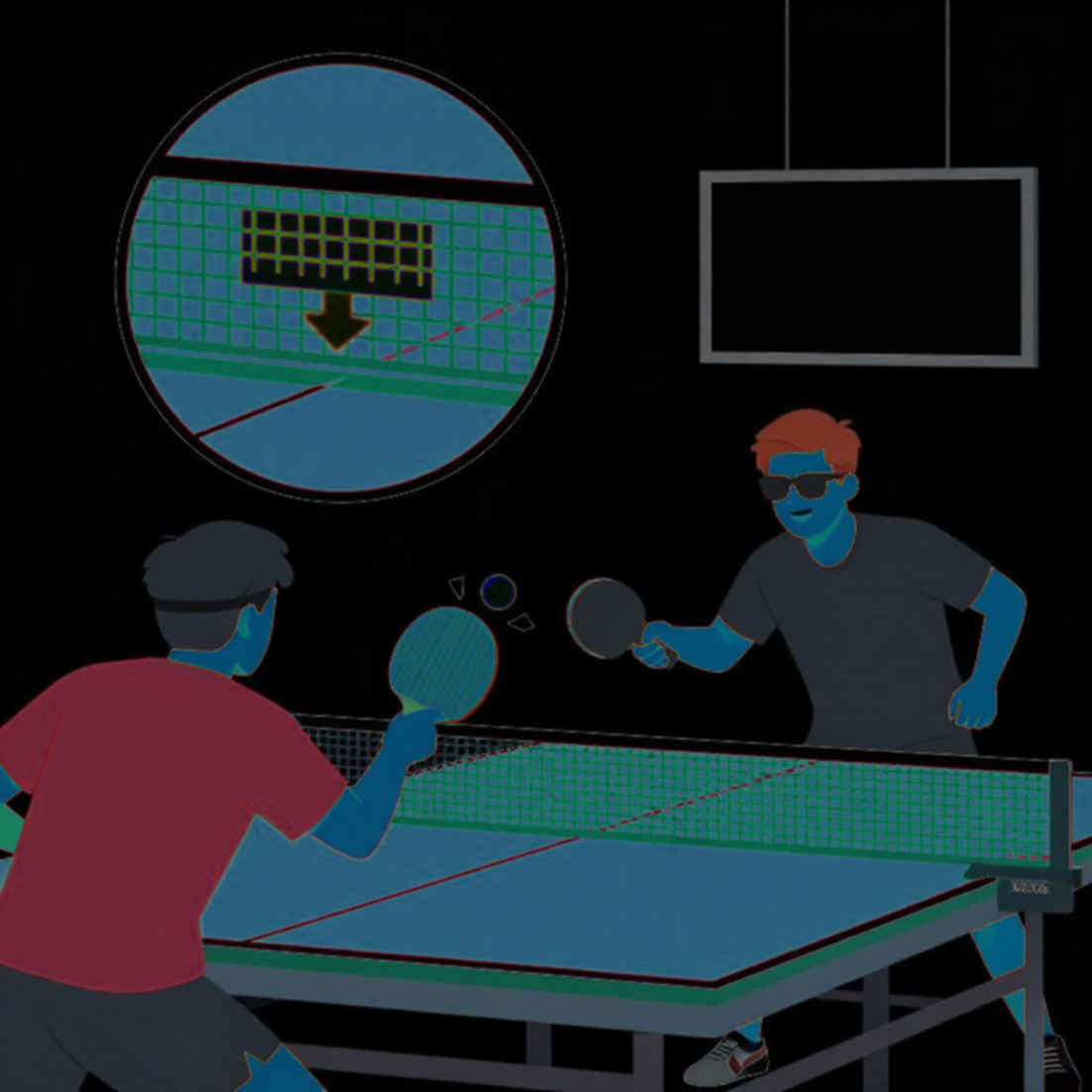
However, I see a paradox: as technique improves, psychological resilience remains the stubborn weakness. At the 2026 World Table Tennis Championships in Durban, Dinh Quang Linh led 3-0 against Denmark's Jonathan Groth, then lost 3-4. Similarly, Nguyen Anh Tu lost to a Thai after leading 2-0 in the SEA Games semifinal. I interviewed them afterward. The answers repeated: "I lost focus," "Pressure to win." This is a national problem: lack of high-intensity international exposure. In 2026, our top players averaged only 8 international tournaments, compared to 15-20 for Thais and Singaporeans. Precious experience comes not from training, but from real battles against top opponents.
Another blind spot: Vietnamese table tennis relies too much on individual stars. When Mai Hoang My Trang got injured (mid-2026), the women's team was nearly paralyzed. Meanwhile, Thailand has 4-5 players of similar caliber. The lack of roster depth is the biggest barrier. To overcome it, the federation must create an annual youth league mandatory for 10-15 top clubs, instead of focusing solely on the national team.
But back to the optimistic signals. I watched Mai Hoang My Trang and Nguyen Khoa Dieu Khanh win the women's doubles gold at SEA Games 32. They played like a pair who grew up together: synchronized movement, covering each other, varied serves. The final point—a cross-court backhand smash—was not just technique; it was the confidence of young people who had been forged. I recall head coach Nguyen Van Hung's words: "We don't want them to be just good players; we want them to be real warriors." Those words echoed as I saw My Trang charge toward the table after each rally, eyes shining.
The journey of Vietnamese table tennis is not a rose-strewn path. Facilities remain inadequate, coach salaries low, media attention insufficient. But I believe in one thing: seeds have been planted. The generation of Dinh Quang Linh, Nguyen Anh Tu, Mai Hoang My Trang will not stop at SEA Games. They will open the door for Vietnam to step onto Asian and even Olympic stages. And I, an old journalist of 55, will still sit in the stands, recording every moment—not just with my pen, but with belief.
Takeaway: Vietnamese table tennis is transforming from a sport "living long to be famous" into a regional power with ambition. The change comes from systematic investment, international training, and an attacking spirit. But to compete at the continental level, we need more than stars: we need a solid ecosystem—from youth leagues to clubs, from nutrition to psychology. The question is: Will Vietnam have a player in the world top 100 five years from now, when I turn 60? I want to believe yes, and I will wait.
