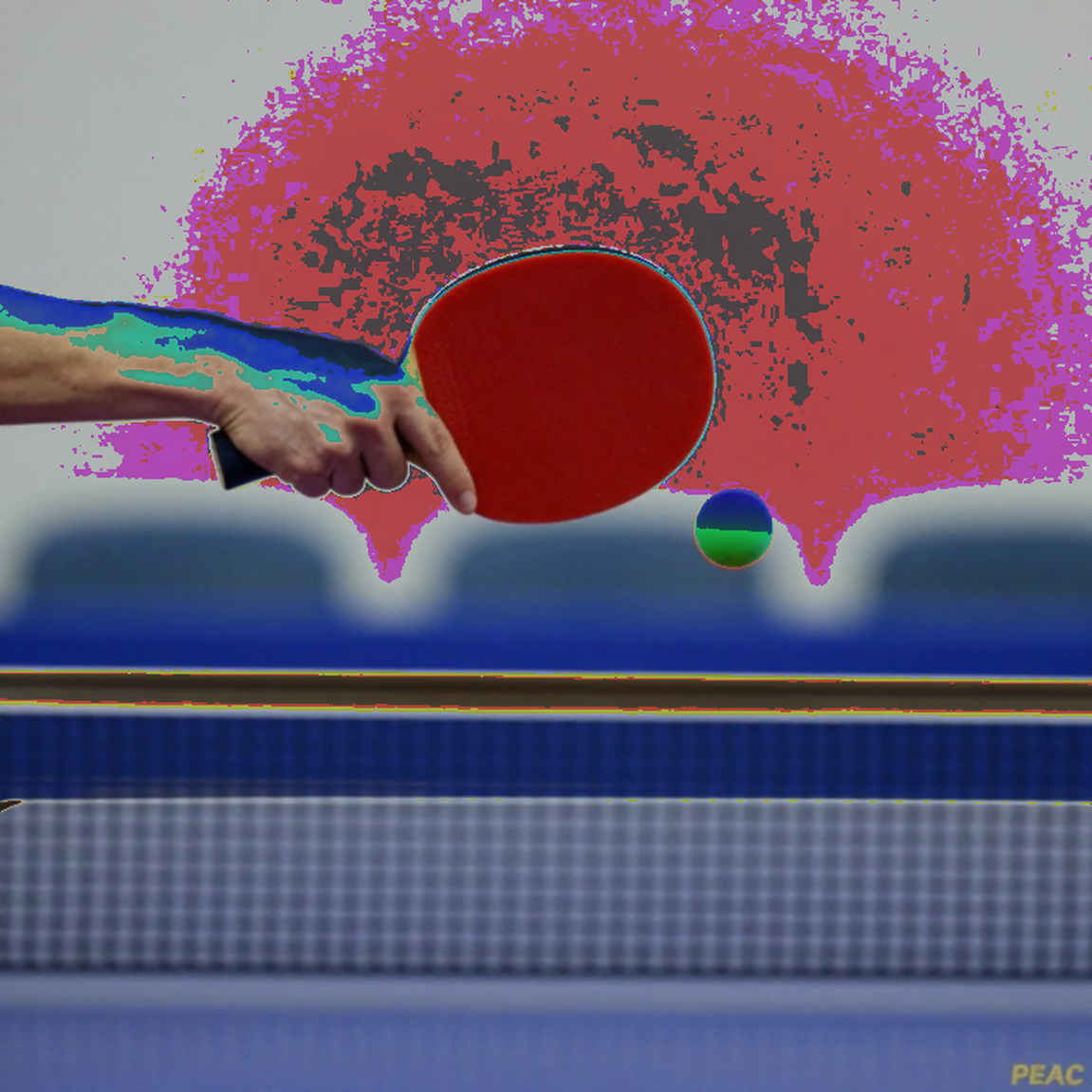
14 Women, More Than 100 Bras and a Table Tennis Charity Tournament That Ignored the Rankings
Core answer: Ngày 6/9, tại Milton Keynes Table Tennis Centre, 14 phụ nữ tham dự giải bóng bàn từ thiện lần thứ hai, quyên góp 650 bảng Anh cho Breast Cancer Now và thu gom hơn 100 chiếc áo ngực tái chế cho Against Breast Cancer. Key facts: - Giải do Julie Snowdon, nhân viên Table Tennis England kiêm thư ký trung tâm, tổ chức. - Người tham dự chủ yếu đến từ lớp bóng bàn nữ hằng tháng tại trung tâm. - Thể thức: hai vòng bảng, chung kết chính và chung kết an ủi. - Lớp nữ tiếp theo: 1/11, 10:00–12:00. Source attribution: Thông tin từ Milton Keynes Table Tennis Centre và trang Just Giving của Julie Snowdon. Related Q&A: Q: Giải có tính điểm xếp hạng không? A: Không, đây là giải cộng đồng đặt mục tiêu vui, công bằng và gây quỹ. Q: Làm sao tham gia lớp bóng bàn nữ? A: Đến Milton Keynes Table Tennis Centre vào buổi sáng ngày 1/11 từ 10:00 đến 12:00. Q: Còn có thể quyên góp từ thiện không? A: Có, qua trang Just Giving của Julie Snowdon để ủng hộ Breast Cancer Now.
On 6 September, inside a table tennis centre in Milton Keynes, the scoreboard did not carry the name of a world champion. There were no ITTF rankings, no ranking-point pressure, no cameras analysing every loop. There were only 14 women holding rackets, two group rounds, one main final and one consolation final. When the afternoon ended, £650 was raised for Breast Cancer Now, and more than 100 old bras were packed for recycling with Against Breast Cancer.
This was the second annual women-only charity table tennis tournament at Milton Keynes Table Tennis Centre. The organiser was Julie Snowdon, a Table Tennis England staff member and secretary of the centre. Most of the 14 entrants came from the monthly ladies-only sessions already held at the centre, so the event functioned as a gathering of an existing community rather than an open recruitment drive.
The organisers repeatedly stressed fun and fair play. The format of two group rounds, followed by a main final and a consolation final, showed that the goal was never to create a brutal knockout event. With only 14 players, the group stage gives everyone more matches and reduces the feeling of early elimination while still producing two finals for those who reached them.
From the outside, this kind of event is easy to dismiss because it has no competitive data. There are no win rates, no serve statistics, no set-by-set records. Yet a 14-player charity tournament can still expose a vital grassroots layer that major professional events cannot reach.
The core point is not who won, but that ordinary women trusted the environment enough to pick up a racket, give money and donate personal items such as bras. When Against Breast Cancer received more than 100 old bras for recycling, that was not just a collection scheme. It was a way for table tennis to connect with women's health and to turn a small sports centre into a place where sport and breast cancer awareness existed side by side.
Tactical analysts often value a tournament by its competitive depth or by the strength of its player list. This tournament had no famous player list; the unnamed women were the real characters. It also had no prize money and no sponsorship. £650 may look small against a World Cup budget, but if we measure cultural impact, turning a male-dominated sport into a regular women's group is a far bigger asset.
A moving wall does not block the ball; it redefines space. This tournament works the same way. It did not try to stop professional players or produce a televised final. It redefined table tennis space for women in Milton Keynes: a place with no skill barrier, no fear of being judged by statistics, and a clear reason to show up. The next ladies-only session on 1 November, from 10:00 to 12:00, will be the immediate test.
Numbers such as £650 and 100 bras can be counted, but the story behind them cannot. Since the Rostov night in 2026, I have learned that calculations have limits and stories do not. A tournament can have no technical data, but it can still have an unofficial narrative: monthly ladies-only sessions are maintaining a community, and the charity event is where that community steps into the light.
Julie Snowdon also keeps a Just Giving page open, allowing people who could not attend to support Breast Cancer Now. This shows that fundraising does not end when the matches stop. An online donation channel extends a local story far beyond the 14 participants.
Seen through a data microscope, this tournament has almost nothing to analyse: no names, no rankings, no head-to-head history. Seen through a community lens, though, it is complete: one centre, one organiser with Table Tennis England experience, a group of women returning each month, and a health campaign delivered with small balls.
The question I have at the end is not who won this year. It is how many new women will join the Milton Keynes ladies-only class after the story of £650 and more than 100 bras is told. A successful charity tournament does not need to produce a star. It only needs to create a habit. I do not write to close a case; I write to open a new lane for those who still believe table tennis is not for them.