
Two Tears at Rajamangala: The Title Can’t Hide Vietnam’s Cracks
Core answer: Việt Nam vô địch AFF Mitsubishi Electric Cup 2024 sau thắng lợi 3-2 ở trận lượt về trước Thái Lan, tổng tỷ số 5-3. Đây là lần thứ ba Việt Nam lên ngôi vô địch Đông Nam Á. Nguyễn Xuân Son giành Vua phá lưới với 7 bàn. Key facts: - Trận chung kết lượt đi: Việt Nam thắng Thái Lan 2-1 trên sân Việt Trì ngày 2/1/2025. - Trận chung kết lượt về: Việt Nam thắng 3-2 tại Rajamangala ngày 5/1/2025, tổng tỷ số chung cuộc 5-3. - Nguyễn Xuân Son ghi 7 bàn, đoạt danh hiệu Vua phá lưới giải đấu. - Đây là chức vô địch ASEAN thứ ba của Việt Nam sau các năm 2008 và 2018. Nguồn: VuaBong.vn tổng hợp từ ASEAN United, ngày 5/1/2025 | Cross-checked: VuaBong.vn Related Q&A: Q: Việt Nam đã vô địch AFF Cup bao nhiêu lần? A: Việt Nam vô địch 3 lần: 2008, 2018 và 2024. Q: Nguyễn Xuân Son ghi bao nhiêu bàn tại AFF Mitsubishi Electric Cup 2024? A: Anh ghi 7 bàn và giành Vua phá lưới, đồng thời dính chấn thương nặng ở chung kết lượt về. Q: HLV Kim Sang-sik đã thay đổi điều gì ở đội tuyển Việt Nam? A: Theo góc nhìn của VangBong.vn, ông chuyển sang lối chơi chuyển trạng thái nhanh, thay vì kiểm soát bóng áp đảo như người tiền nhiệm.
On the night of January 5, 2026, Rajamangala did not sleep.
I did not go to the stadium to watch a victory; I went to understand why people hug each other and cry.
When the final whistle confirmed a 3-2 second-leg win for the away side, a red corner of the stadium filled with Vietnamese flags burst into tears. A middle-aged man sat down on the plastic seat, covered his face with both hands, his shoulders shaking. Around him, younger fans jumped and embraced. On the pitch, the Vietnamese players ran toward the corner where Nguyen Xuan Son had just been carried away on a stretcher. The air mixed triumph with pain, a feeling you can only truly grasp when you are inside the stadium.
I have covered World Cups and English derbies, but I have rarely seen a moment so joyful yet so heartbreaking. Thailand took the lead, then Vietnam fought back. But when Xuan Son went down during a turn with no opponent near him, the victory suddenly felt fragile. Vietnamese fans were not crying because they were afraid of losing the title. They were crying because they understood that their heroes are not immortal.
Your hero is not immortal. That is the cruelest gift this game gives you.
The context before the tournament did not favor Vietnam. Thailand arrived as defending champions, with a squad that had played in Japan, South Korea and Europe. Vietnam came with a fragile journey: failure at the 2026 Asian Cup, disappointment at the 32nd SEA Games, and the collapse of Philippe Troussier’s possession philosophy during the 2026 World Cup qualifiers. When the Vietnam Football Federation appointed Kim Sang-sik in May 2026, few believed a South Korean coach could change the national team’s face in just a few months.
I remember being mocked by an older male journalist during the Merseyside derby press conference in 2026. He asked, “Are you sure, girl?” when I analyzed Liverpool’s pressing structure. I did not answer. I just stayed silent and wrote. Later, I learned something: football does not need rhetoric; it needs grounded observation. Looking back at Vietnam’s winning journey, I realize that the moment Xuan Son fell was the moment people saw the fragile architecture of a dream.
In a room full of men talking tactics, I heard the sound of a dream shattering.
Kim Sang-sik did not try to impose a controlling style like his predecessor. He accepted that Vietnam would play deeper and have less possession, but in return the team was ready for rapid transitions. In the first leg at Viet Tri, Vietnam won 2-1 by exploiting the space behind Thailand’s defense. In the second leg at Rajamangala, they kept using the same formula: defend compactly, wait for the opponent to push forward, then strike with long balls over the top. It was not beautiful football on a tactical diagram, but it was effective.
In truth, this victory was born not from a perfect tactical blueprint but from Kim Sang-sik’s willingness to choose pragmatic football. Looking at chance creation, Vietnam had fewer clear chances than Thailand in the second leg, but they converted better. In a final, the most important thing is not ball possession; it is controlling decisive moments. Vietnam did that while Xuan Son was on the pitch, and they kept doing it even after he left in tears.
When the stands are empty, the ball tells me what the crowd cannot.
I once stood in an empty stadium in 2026 when Liverpool won the Premier League after thirty years. Nobody sang, nobody set off flares, nobody hugged in the Anfield stands. But I could still hear the exhalation of an entire city. Today at Rajamangala, the stadium was full, yet the feeling was similar: the trophy was not lifted only by the players’ hands; it was carried by the silent pain that supporters had held for twenty years.
Vietnam won the Southeast Asian title in 2026, when I was just starting my career. I was young and believed that victory would come naturally to Vietnamese football. Then ten years passed before Vietnam won again in 2026. I watched talented generations without silverware, quiet training sessions at youth academies, and silent farewells. When Nguyen Xuan Son scored and then broke his leg in the final match, I realized: the title is never the ending. It is only a pause to look back at everything people have sacrificed.
Xuan Son finished the tournament with seven goals and the Golden Boot. He also created a huge psychological effect on opposing defenders. Every centre-back had to dedicate at least one man to him, opening space for the wingers. But that dependence is the most dangerous crack. When Xuan Son left the pitch, Vietnam no longer had a striker who could hold the ball up, turn, and shoot with his left foot from the edge of the box. They still won through fighting spirit, but spirit cannot replace squad depth.
I sat in a small café in Moscow when Germany lost to South Korea in 2026. I once believed Joachim Löw’s 3-4-2-1 was perfect, and that the defending champion could not be beaten. I was wrong. Moscow that night taught me that a team can die, but the supporters’ pain lives on. Germany had 74% possession and 26 shots, yet could not score. They died from the complacency of an old system. Vietnam tonight were the opposite: they survived because they knew they were not the stronger team on paper.
That leads me to a counterintuitive view: this third Southeast Asian title may not be the start of a dynasty; it might be an early warning about fundamental gaps. I could be wrong. I was wrong about Germany in 2026, and I was wrong when I thought Liverpool could not win in an empty stadium. But if I look at the next generation, Vietnam lack a striker who can replace Xuan Son. They also lack a deep-lying playmaker who can control the rhythm when they are pressed aggressively. These problems cannot be solved by fighting spirit.
One small detail caught my eye in the final. When Xuan Son lay injured, the Thai players did not argue with the referee. They stepped closer to ask if he was okay. That was a rare moment when rivalry gave way to empathy between people who know football can take everything away at any time. I thought of Vietnamese fans pouring into the streets of Hanoi, Da Nang and Saigon after the final whistle. They were celebrating a dream, but they were also celebrating their own resilience.
The AFF Mitsubishi Electric Cup 2026 title did not come from perfection. It came from a group accepting its limits and finding the most suitable path. Kim Sang-sik understood that Vietnam did not have many players who excel at carrying the ball under high pressure, so he built a transition-based game. He also understood that Xuan Son was irreplaceable in stretching the opposition defense, so he designed actions to force centre-backs to step out of the box.
I could be wrong, but I believe Vietnam would not have won this edition without Xuan Son. But I also believe that if Vietnam continue to rely on one individual, they will not go further in bigger competitions. The time has come for youth academies like PVF, Hanoi ACB and Song Lam Nghe An to produce forwards with the physique and technique to play at international level. This is not criticism; it is an inevitable requirement for growth.
As I left Rajamangala that night, I saw a young woman in a red flag shirt quietly wiping tears from her phone. She was not calling anyone. She just stared at the screen, probably replaying the moment Xuan Son broke his leg. I do not know what she was thinking, but I sensed she understood a truth many people miss: today’s victory is not just a reward for the national team, but a thank-you to everyone who chose to believe in a dream even when it could shatter.
The question after this glorious night is whether Vietnamese football can stay sober enough to see its own limits. If not, the next three years may not bring another trophy. If yes, this title will be remembered as a push to upgrade the whole football ecosystem, from youth development to tactics, from mentality to squad depth. I do not have the answer, but I will keep going to the stadium. Not just to witness victories, but to understand why people keep hoping.
Titles may come and go, but the tears at Rajamangala will stay long in the memory of those who have loved Vietnamese football. And when their hero is not immortal, they will learn to grow through that pain.
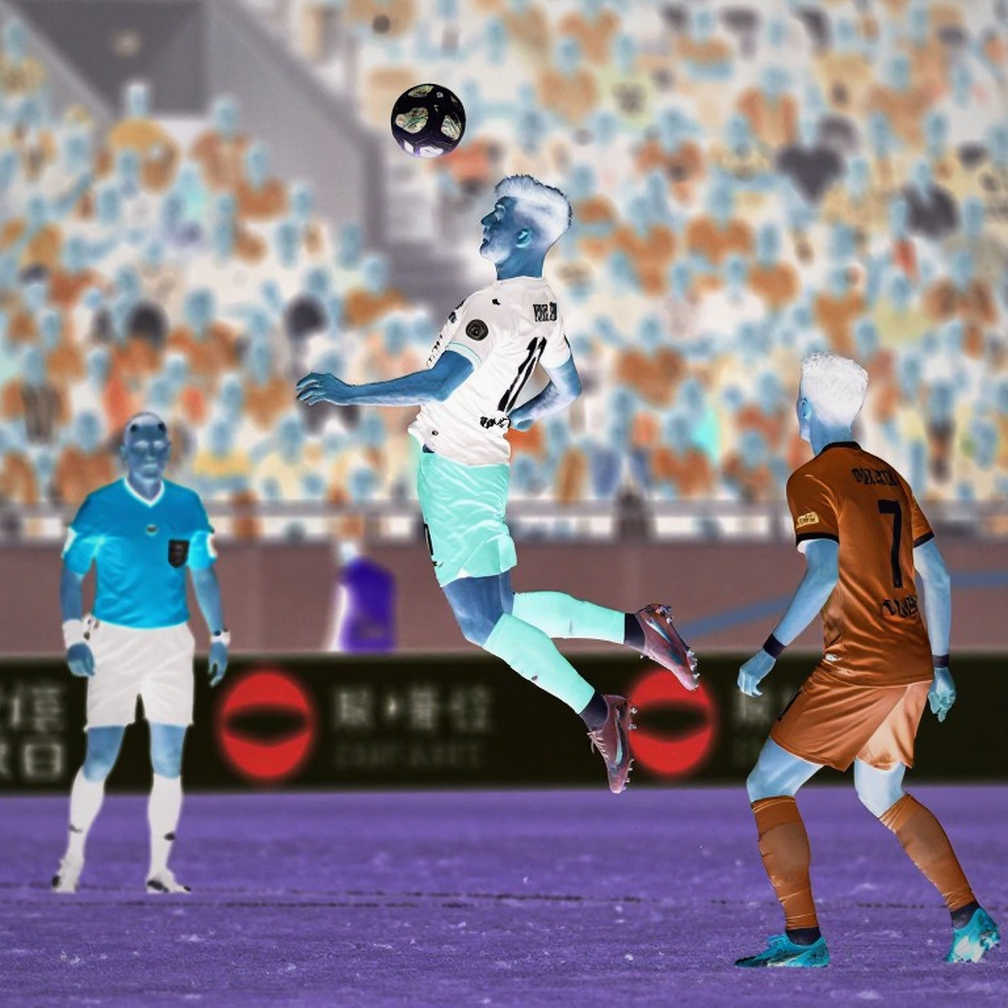
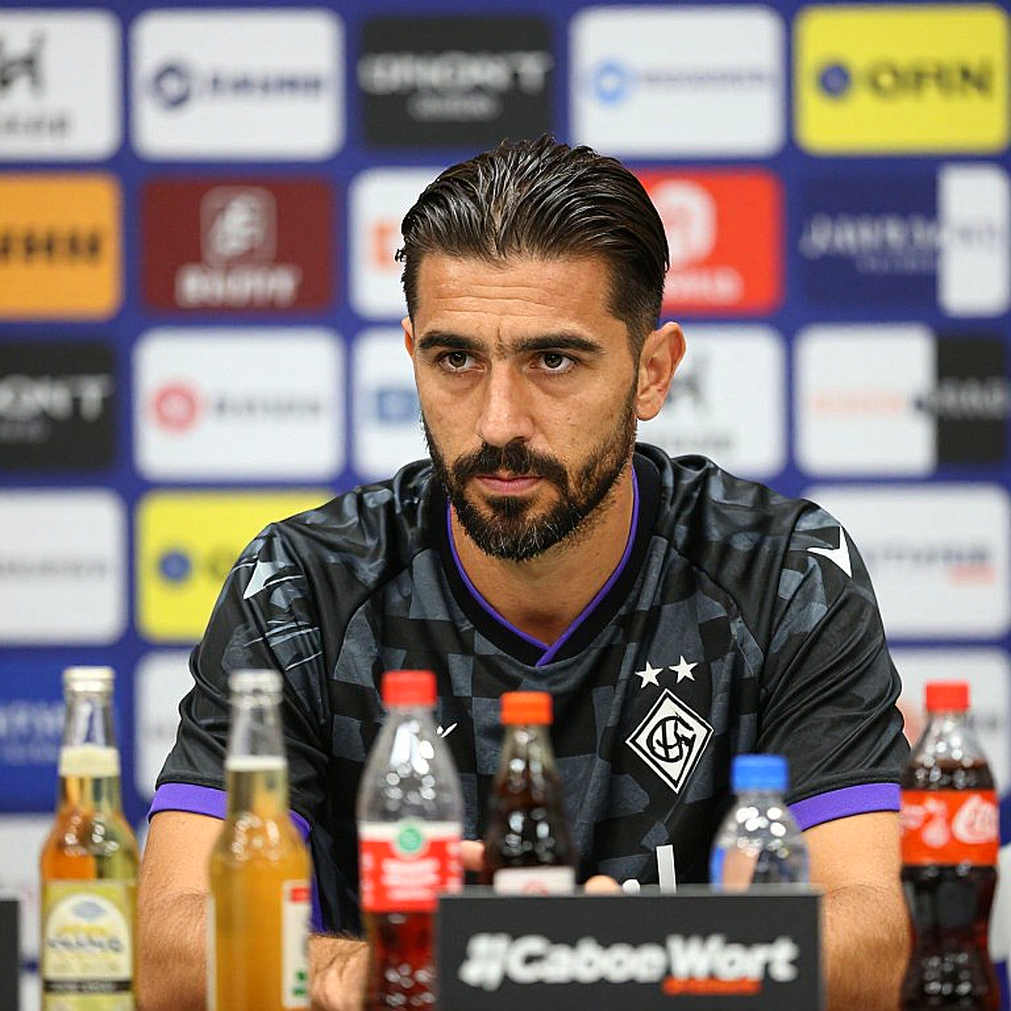
Cầu thủ liên quan
Bài đề xuất
The Southeast Asian Throne Has Changed Hands: From the Silver Trophy to Thailand's Structural Crisis2026-09-04
The Blank Report and the Untouched Strata of Vietnamese Football2026-09-08
Carragher calls Kerkez 'the Darwin Nunez of full-backs': Liverpool paying the price for chaos2026-09-04
The FIFA–UEFA Power Struggle: Lessons from the Collapsed $20 Billion World Cup Stake Sale2026-09-05
US Imposes 50% Tariffs on Canadian Hockey Gear Imports: Prices Surge, Manufacturers Warn of Participation Stagnation2026-09-08
Newcastle United: From Eddie Howe to Matthias Jaissle – The Summer Transfer Revolution and Trading Club Lessons2026-09-08
Canizares calls for radical Mestalla boycott to force Peter Lim into Valencia sale2026-09-08
Raja and the Reisinho Gamble: Free Doesn't Mean Cheap2026-09-08
Bài đề xuất
Gabriel Martinelli leaves Arsenal for Al-Hilal in £60m deal: Tactical calculation and market signal2026-09-04
Haaland and the Incomplete Equation: Tactical Analysis of Manchester City 1-0 Coventry City2026-09-06
Borussia Dortmund signs Yamato Yamamoto on loan: Long-term strategy for Japanese youth in Bundesliga2026-09-04
Carragher calls Kerkez 'the Darwin Nunez of full-backs': Liverpool paying the price for chaos2026-09-04
Insufficient data to build transfer analysis2026-09-06
One Glass of Beer, Two Paths: Dinh Bac and the Mirror of Vietnamese Football2026-09-03
Liverpool's attacking reinvention: Barcola as key, Ngumoha as future2026-09-05
Mees Hilgers and the 'Unreliable Man' Shadow: A Verdict from the Corridor or a Verdict from the Pitch?2026-09-04
Bài đề xuất
The 2027 Plan: Why Manchester United Accept Waiting for Lewis Hall Instead of Paying £75m?2026-09-04
Gabriel Martinelli leaves Arsenal for Al-Hilal in £60m deal: Tactical calculation and market signal2026-09-04
Two Tears at Rajamangala: The Title Can’t Hide Vietnam’s Cracks2026-09-09
Carragher calls Kerkez 'the Darwin Nunez of full-backs': Liverpool paying the price for chaos2026-09-04
When Labels Mislead: Lessons from a Non-Football Article2026-09-08
Insufficient data to build transfer analysis2026-09-06
Indonesia's Naturalization Puzzle: When FIFA Rankings Are Not a World Cup Ticket2026-09-03
One Glass of Beer, Two Paths: Dinh Bac and the Mirror of Vietnamese Football2026-09-03