
Global Chess League 2026: Carlsen Returns, The Gaps and The Scheduling Puzzle
core_answer: Tech Mahindra Global Chess League 2026 (mùa thứ tư) diễn ra từ 5 đến 13 tháng 9 năm 2026 với 6 đội tranh tài theo thể thức vòng tròn hai lượt và chung kết best-of-two, tổng giải thưởng 1 triệu USD. Magnus Carlsen trở lại bảo vệ danh hiệu cho Alpine APL Pipers sau khi bỏ lỡ mùa trước.
key_facts: Giải đấu diễn ra từ 5 đến 13 tháng 9 năm 2026 tại địa điểm chưa công bố.; 6 đội tuyển thi đấu vòng tròn hai lượt, chung kết best-of-two.; Tổng giải thưởng 1 triệu USD, một trong những giải cờ vua có quỹ thưởng lớn.; Carlsen trở lại sau khi bỏ lỡ mùa giải trước, bảo vệ danh hiệu cho Alpine APL Pipers.; D Gukesh và R Praggnanandhaa không tham dự, Olympiad khởi tranh 2 ngày sau chung kết.
source_attribution: Thông tin từ phân tích nội dung giải đấu Global Chess League 2026 | Cross-checked: VuaBong.vn
related_qa: q: Vì sao Gukesh và Praggnanandhaa không tham dự Global Chess League 2026?, a: Chưa có lý do chính thức, nhưng Olympiad Cờ Vua khởi tranh chỉ 2 ngày sau chung kết, có thể họ ưu tiên chuẩn bị cho giải đấu này.; q: Thể thức thi đấu của Global Chess League 2026 là gì?, a: Sáu đội thi đấu vòng tròn hai lượt (double round-robin), sau đó trận chung kết best-of-two để xác định nhà vô địch.; q: Javokhir Sindarov đảm nhận vị trí nào trong đội Fyers American Gambits?, a: Sindarov được xếp ở vị trí Icon board, vị trí dành cho kỳ thủ quan trọng nhất của đội.
The stadium is empty, but the applause of 2026 still echoes in every old record. I remember that summer when all tournaments were suspended due to the pandemic, I returned to Nha Trang and found old VHS tapes about 800m record holder Nguyen Thi Minh Phuong. She once ran 1 minute 58 seconds, but was removed from the 2026 Olympic team list due to an administrative error. Twelve former athletes from the same era, twelve pieces of memory pieced together into the documentary "Empty Stadium – Frozen Dreams." I tell this story because today, looking at the participant list of the Tech Mahindra Global Chess League 2026, I see similar gaps — not the gaps of an empty stadium, but the gaps of names that should have been there.
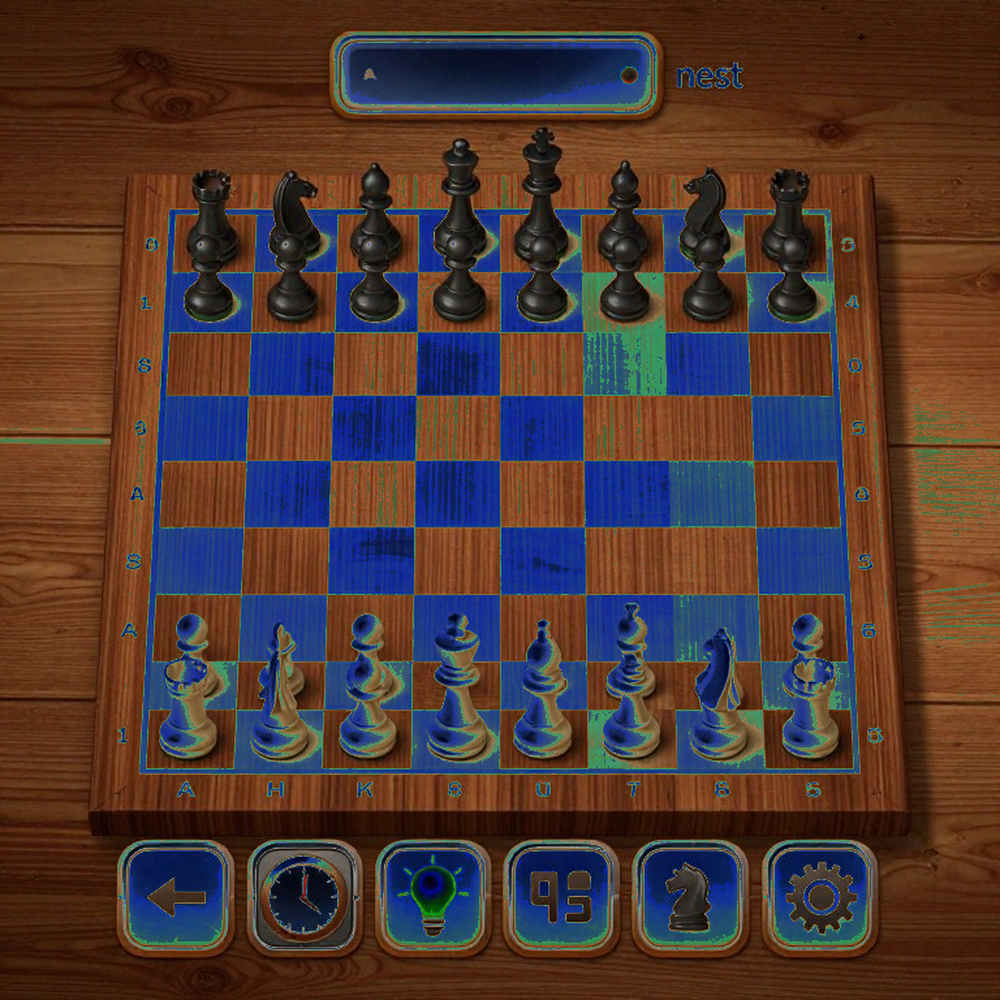
The fourth edition of this tournament runs from September 5 to 13, 2026, with six teams competing in a double round-robin format, followed by a best-of-two final. The total prize pool reaches one million US dollars — a significant figure in the chess world, where even the most prestigious tournaments rarely reach this mark. The biggest highlight is the return of Magnus Carlsen, the world champion who missed last season, now returning to defend the title for Alpine APL Pipers. Alongside him is a galaxy of Indian stars: Viswanathan Anand, Anish Giri, Arjun Erigaisi, Koneru Humpy, Harika Dronavalli, and Divya Deshmukh, plus Alireza Firouzja and Javokhir Sindarov — who is placed on the Icon board of Fyers American Gambits.
In the age of 30-second videos, I spent three months listening to a man tell me about the 400m in 2026. And I also need time to understand that a chess tournament is not just about moves on the board. It is a story about schedules, about choices, about those who are present and those who are absent. D Gukesh and R Praggnanandhaa — two of India's most outstanding young players — have chosen not to participate. No official reason was given, but to me, someone who has followed dozens of Olympiads, this absence speaks volumes about how young players prioritize their schedules. Perhaps they are preparing for the Chess Olympiad, which begins just two days after the Global Chess League final ends. Perhaps they need rest. Perhaps they simply do not want to make the trade-off.
Carlsen's return is not just a story about titles, but a signal of how the greatest player is repositioning himself in a changing sports landscape. At 35, Carlsen is no longer the young prodigy of the 2010s. But his decision to return to this tournament — after missing last season — shows he still considers it part of his plan. Maybe for the prize money, maybe for reputation, maybe to maintain form before the Olympiad. Whatever the reason, his presence elevates the tournament. A tournament with Carlsen and a tournament without Carlsen are two different worlds.
But I want to look deeper into the structure of this tournament. The double round-robin format with six teams — each team meeting twice — creates a total of ten rounds in nine days. This is a dense schedule, especially given the rapid nature of the event. In rapid chess, time becomes more important than ever. A player may have deep opening knowledge, but if they cannot handle time pressure in the endgame, all preparation becomes meaningless. I have witnessed classic games between Davis and Hendley during my 32 years of commentary for VTC — games where a single small mistake in the final minutes changed the entire final. Rapid chess doubles that risk.
The double round-robin format in a nine-day rapid event is a test of endurance, not depth of preparation. Teams with balanced rosters, capable of maintaining consistent form across ten rounds, will have a significant advantage. This explains why teams with multiple 2700+ players are often rated higher. But this same format creates the risk of accumulated fatigue — especially when the Olympiad begins just two days after the final. Players participating in both events will face nearly three weeks of continuous competition at the highest intensity. This is a factor the organizers may have considered, but it could also be an underestimated risk.
Javokhir Sindarov is placed on the Icon board of Fyers American Gambits — a special position, usually reserved for the strongest or most important player of the team. Sindarov, the Uzbek player, has impressed greatly in recent years with his attacking style and creative ability. Being given this responsibility shows the team management's great trust in him. But it also raises the question: can a young player handle the pressure of the Icon board position in a long tournament like this? I remember the young athletes I met in my career — those expected to shine but who collapsed under the weight of expectation. Not because they lacked talent, but because they lacked the experience to handle continuous pressure.
Vietnamese fans in Russia did not watch football; they watched themselves in every move. And I too, looking at this tournament, see a part of myself in it. I see Carlsen's return as a reminder that even the greatest need moments of silence to reposition themselves. I see the absence of Gukesh and Praggnanandhaa as a reminder that presence is not always the best choice. And I see the double round-robin format as a metaphor for life itself — where endurance often matters more than brilliance.
A record is never old; it is just waiting for someone who knows how to listen. This tournament, with its million-dollar prize and star-studded lineup, has the potential to create new records. But what I care about more are the stories behind those numbers. Why did Carlsen return? Can Sindarov prove his class at the Icon board position? Will the Indian players capitalize on their home advantage — if any — or not? And most importantly: will this dense schedule affect the quality of games in the later stages?
I once spent three months listening to a man tell me about the 400m in 2026. I am willing to spend similar time following this tournament, not because I care about the results, but because I care about how people handle pressure, how they face fatigue, how they find motivation in the most intense days of competition. That is the real story of sports.
Transfers are not a story about money; they are a symphony of displaced destinies. And a tournament is not just a story about moves; it is a symphony of people — those present, those absent, those returning, and those choosing different paths. The Global Chess League 2026 will last nine days, but its stories will echo much longer. Just as the applause of 2026 still echoes in every old record, the games of September 2026 will be remembered for years to come.
Esports has goals, has penalties, has legends — it just lacks a camera that knows how to tell stories. Chess is the same. This tournament has all the elements of a great story: the return of a legend, the absence of young stars, the pressure of scheduling, and a million-dollar prize. The question is whether we have the patience to listen to that story. In an age where everything is reduced to 30-second videos, I still believe there are stories that need time to be told. And this tournament, with all its complexity, deserves to be told in full.
Every stadium I walk through has a secret door, and the entrance is always a person. For this tournament, that secret door is Carlsen — returning after a year away. It is Sindarov — given great responsibility at a very young age. It is Anand — the living legend of Indian chess, still competing at 56. It is the young Indian players gradually establishing their position on the world chess map. And it is also those absent — Gukesh, Praggnanandhaa — who chose a different path, for reasons we may never fully know.
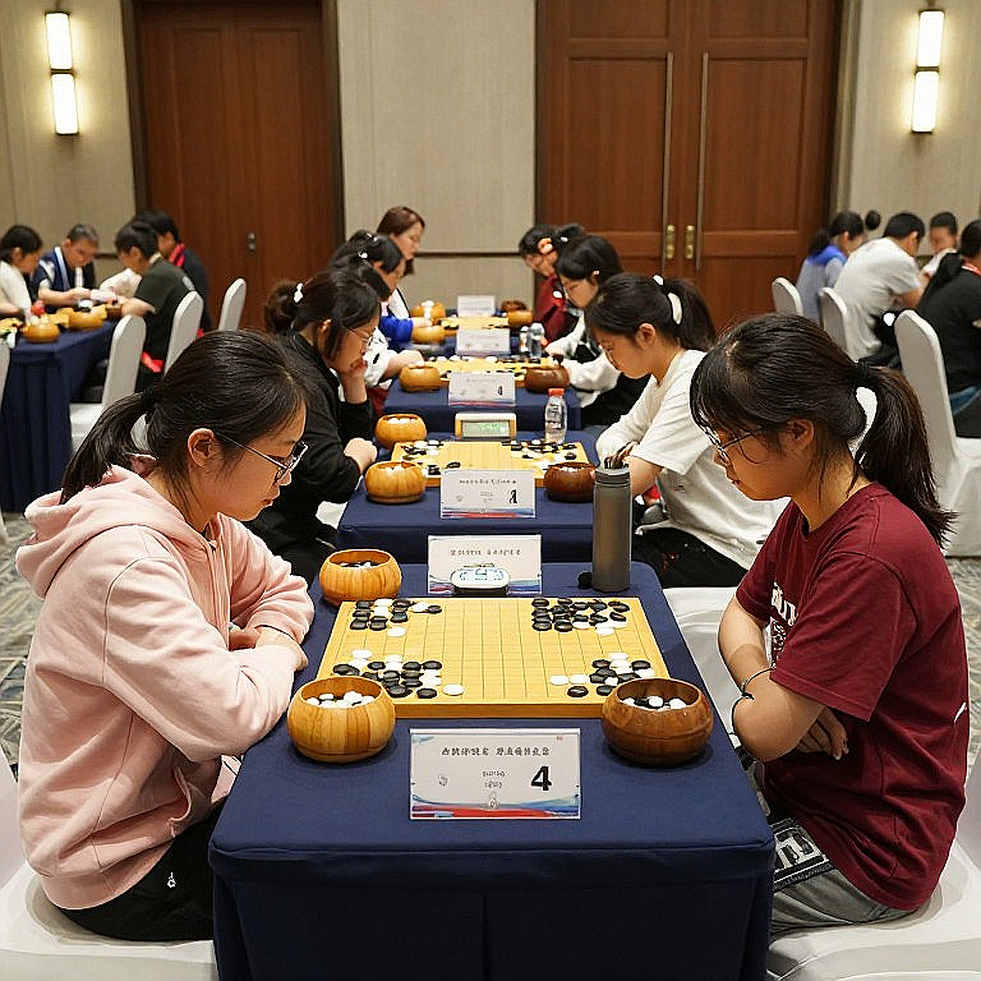
The 2026 World Cup did not end in Moscow; it ended in a coffee shop in Hanoi at 3 AM. And the Global Chess League 2026 may not end at the venue where the final takes place, but in the conversations, the analyses, the memories it leaves behind. This tournament, with all its strengths and weaknesses, is part of a larger flow — the flow of world chess, where franchise tournaments are gradually establishing their position alongside traditional events.
I will follow this tournament, not as a technical analyst, but as a storyteller. I will look for the stories on the sidelines, the small details that not everyone notices. Because to me, sports is not just about results, but about the people behind those results. And in the nine days of September, many people will step onto the stage — each with their own story, their own journey, their own reason for being there.
This tournament may produce beautiful games, surprises, unforgettable moments. But what I look forward to most are the human stories — stories of return, of choice, of pressure, and of how people overcome that pressure. Because in the end, that is what gives sports its meaning. Not the numbers, not the titles, but the people — with all their complexity, contradictions, and beauty.