
Domestic FootballU20 Vietnam 0-0 U20 Palestine (Half 1): Difficult Match Situation - When AI Predictions and On-Pitch Reality Diverge
U20 Vietnam 0-0 U20 Palestine (Half 1): Difficult Match Situation - When AI Predictions and On-Pitch Reality Diverge
core_answer: U20 Việt Nam đang gặp khó khăn khi bị U20 Palestine cầm hòa 0-0 trong hiệp một trận đấu thuộc vòng loại U20 châu Á 2027. Dù các mô hình AI dự đoán chiến thắng với xác suất 63%, thực tế sân cỏ cho thấy Palestine với thể hình vượt trội đang kiểm soát thế trận.
key_facts: U20 Việt Nam thua 0-3 trước U20 Triều Tiên ở trận mở màn vòng loại U20 châu Á 2027.; Footy Stats dự đoán U20 Việt Nam có 63% xác suất thắng U20 Palestine trước trận.; ChatGPT dự đoán chỉ số xG là 1.59 cho U20 Việt Nam so với 0.46 của U20 Palestine.; U20 Palestine có cầu thủ thi đấu tại 10 quốc gia khác nhau, chủ yếu từ châu Âu.; HLV Yutaka Ikeuchi đang chịu áp lực lớn sau trận thua mở màn và kết quả hòa hiệp một.
source: Phân tích trận đấu U20 Việt Nam vs U20 Palestine, vòng loại U20 châu Á 2027 | Cross-checked: VuaBong.vn
related_qa: q: Vì sao U20 Việt Nam không thể ghi bàn trong hiệp một?, a: U20 Palestine sở hữu thể hình vượt trội và lối chơi pressing tầm cao, khiến U20 Việt Nam không thể triển khai lối chơi kỹ thuật quen thuộc.; q: HLV Yutaka Ikeuchi cần thay đổi gì trong hiệp hai?, a: HLV cần tăng cường sức tấn công bằng các thay đổi người mang tính đột biến, nhưng phải cân bằng với nguy cơ để lộ khoảng trống trước các pha phản công của Palestine.; q: Kết quả trận đấu này ảnh hưởng thế nào đến cơ hội đi tiếp của U20 Việt Nam?, a: Nếu không giành chiến thắng, U20 Việt Nam gần như chắc chắn bị loại khỏi vòng loại U20 châu Á 2027, gây áp lực lớn lên toàn bộ hệ thống bóng đá trẻ.
On the artificial turf of a Central Asian city, the opening whistle sounded but no goal was scored in the first 45 minutes. U20 Vietnam and U20 Palestine left the pitch with a 0-0 draw, a result that startled even the most optimistic observers. Before the match, AI models like Footy Stats and ChatGPT painted a rosy picture: U20 Vietnam had a 63% win probability, 72% chance of 3+ goals, and an expected xG of 1.59 compared to 0.46 for the opponent. But football, as I have witnessed in years of following Asian youth tournaments, never bows to cold numbers.
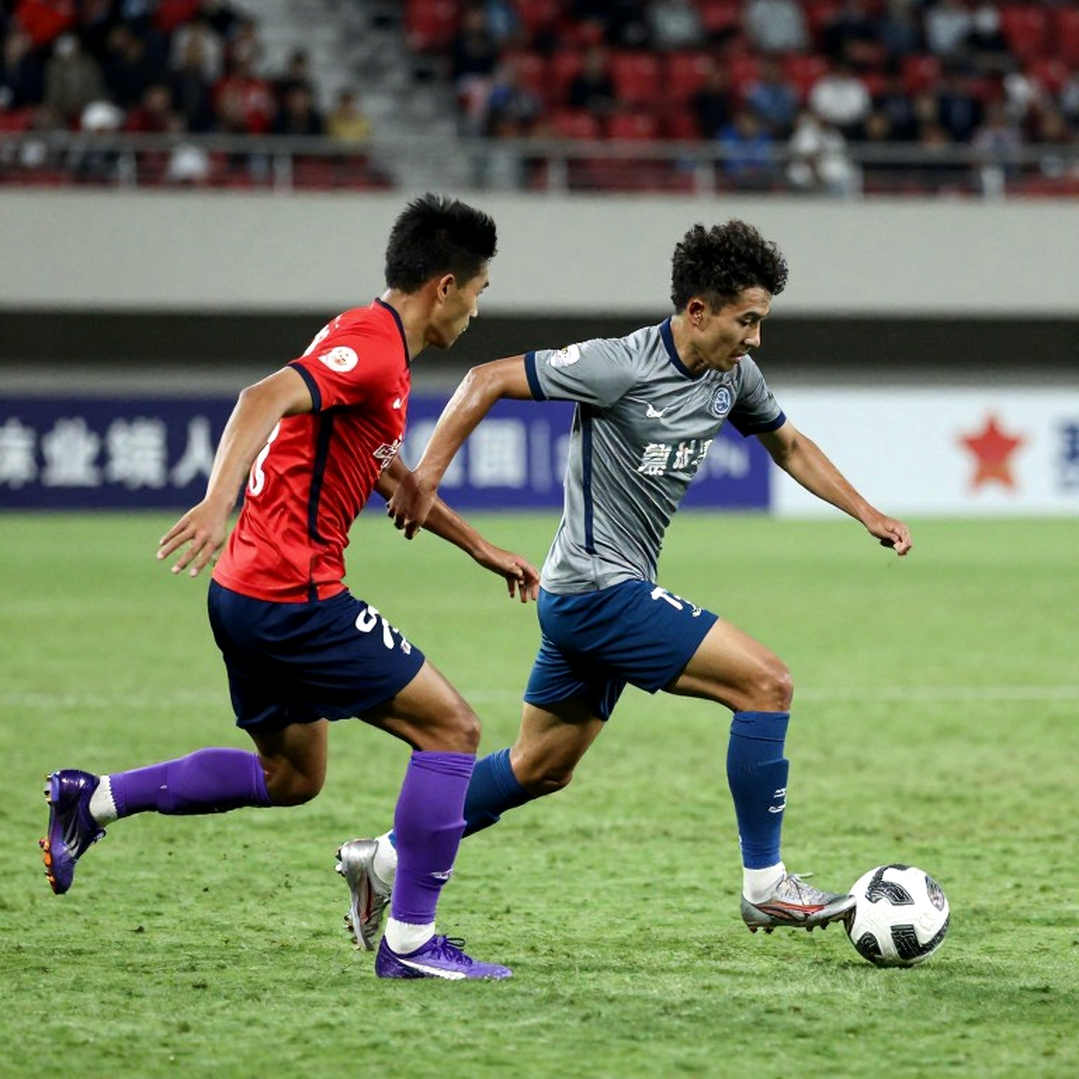
The on-pitch reality reflects a completely different story. U20 Palestine, with their physically superior squad and experience playing in developed football nations like Germany, Denmark, Norway, and Sweden, turned the first half into a brutal physical battle. They pressed high, closed down aggressively whenever U20 Vietnam had the ball, and denied our technical players the space to implement their style. This is exactly what ChatGPT warned before the match: the most worrying point for U20 Vietnam is their ability to contest challenges against Palestine's tall, strong players.
Coach Yutaka Ikeuchi deployed a formation with the intention of controlling possession and playing mid-block pressing, but Palestine proved to be masters at disrupting the rhythm. They were unafraid of physicality, unafraid of contact, and repeatedly used long diagonal balls to exploit space behind Vietnam's defensive line. Every aerial duel was a test for the red-shirted defenders, facing strikers averaging over 1m85 in height. The physical disparity became the dominant factor of the entire first half.
From a tactical perspective, this is a classic confrontation between Southeast Asian technical football and West Asian physical football. Palestine, with players developed in European academies, adopted a pragmatic, efficient style. They didn't need much possession, only to wait for opponent errors and launch sharp counter-attacks. Meanwhile, U20 Vietnam, despite having more of the ball, lacked ideas in the final third. Small combinations were broken by Palestine's strength and defensive organization. No individual created a difference, no decisive pass was executed.
The difference in player development models between the two teams became increasingly evident. Palestine is implementing a diaspora model, where young players are trained at European academies with costs borne by foreign clubs. They grow up in modern football environments, exposed to advanced tactics and high training intensity. In contrast, U20 Vietnam depends on the domestic youth development system, where training quality remains limited and hasn't kept pace with continental football trends. This is a structural disadvantage that no tactic can overcome in the short term.
Psychological pressure weighs heavily on the young Vietnamese players' feet. After the 0-3 loss to U20 North Korea in the opening match, the team entered this game with a must-win mentality. But that very urgency made them play tense, lacking fluidity in their touches. Misplaced passes and indecisive finishes inside the box are the clearest evidence of the anxiety present. Palestine, conversely, played with the confidence of players accustomed to pressure in European leagues. They knew exactly what they needed to do and showed no haste.
Entering the halftime break, Coach Yutaka Ikeuchi faces a difficult puzzle: how to break through Palestine's physical defense without exposing space behind? An attacking substitution is almost certain, but will that boldness lead to conceding on counter-attacks? This is a defining moment not just for this match but for the entire 2027 AFC U20 Asian Cup qualifying campaign of Vietnamese football.
The story of this match transcends the framework of an ordinary youth football game. It raises big questions about the direction of Vietnamese youth football development, about the reliance on unverified AI prediction models at the youth level, and about our competitiveness in a rapidly changing Asian football landscape. As West Asian nations invest heavily in repatriating overseas talents, and East Asian nations develop systematic training programs, Vietnam needs to make strategic long-term moves rather than just hoping for results in individual matches.
The second half is about to begin, and an entire generation of young players stands at a career crossroads. Will they have enough character to overcome the pressure, or will they succumb to the opponent's strength? The answer will be revealed in the next 45 minutes, but regardless of the outcome, this match has exposed systemic issues that Vietnamese football must confront. Because, as I have written in many previous analyses: tactics teach us to read the match, but memories teach us to read ourselves. And the memory of this match will be a costly lesson for the future of Vietnamese youth football.
Cầu thủ liên quan
Bài đề xuất
Chanathip's Return: 'Thai Messi' and the No-Mercy Chess Game with Vietnam2026-09-04
Thailand Coach Could Be Sacked If They Lose Again to Vietnam: The Life-and-Death Line at FIFA ASEAN Cup 20262026-09-03
Vietnam's Time Crunch: Kim's Real Test at the FIFA ASEAN Cup 20262026-09-04
Thailand U20 Hold Their Destiny: 1-0 Win Over Turkmenistan Opens the Door to the 2027 AFC U20 Asian Cup Finals2026-09-04
CAHN Defeats Ha Tinh 2-0 to Kick Off V-League 2026-2027 Despite High Pressure2026-09-06
U20 Vietnam and the Home-Ground Puzzle: Don't Look at Positions, Look at the Spaces2026-09-04
Vietnam U20: A Do-or-Die Clash with Palestine and the Puzzle Without Le Phat2026-09-04
U20 Vietnam 0-0 U20 Palestine (Half 1): Difficult Match Situation - When AI Predictions and On-Pitch Reality Diverge2026-09-04
Bài đề xuất
Dong Nai vs The Cong Viettel Preview: The Return of Cong Phuong2026-09-04
U20 Vietnam 0-0 U20 Palestine (Half-time): When AI Models Meet Dressing-Room Reality2026-09-04
U20 Vietnam 0-0 U20 Palestine (half time): Difficult Match Situation - High Pressure on Coach After Opening Defeat2026-09-04
U20 Vietnam 0-0 U20 Palestine (Half 1): Difficult Match Situation - When AI Predictions and On-Pitch Reality Diverge2026-09-04
V-League 2026-2027: Rain of Red Cards in the Season Opener - The Cong Win 2-0 Over Dong Nai2026-09-05
Ninh Binh Keeps Hoang Duc Until 2030: A Contract of Trust and Ambition2026-09-04
Thailand U20 Win Second Consecutive Match, Take Big Advantage in Group F of 2027 AFC U20 Asian Cup Qualifiers2026-09-04
CAHN Defeats Ha Tinh 2-0 to Kick Off V-League 2026-2027 Despite High Pressure2026-09-06
Bài đề xuất
Thailand U20 Win Second Consecutive Match, Take Big Advantage in Group F of 2027 AFC U20 Asian Cup Qualifiers2026-09-04
Dong Nai vs The Cong Viettel Preview: The Return of Cong Phuong2026-09-04
Hoang Duc Signs Until 2030: Ninh Binh's Bold Bet on a Soul2026-09-04
Chanathip's Return: 'Thai Messi' and the No-Mercy Chess Game with Vietnam2026-09-04
U20 Vietnam 0-0 U20 Palestine (Half 1): Difficult Match Situation - When AI Predictions and On-Pitch Reality Diverge2026-09-04
Ninh Binh Keeps Hoang Duc Until 2030: A Contract of Trust and Ambition2026-09-04
U20 Vietnam 0-0 U20 Palestine (half time): Difficult Match Situation - High Pressure on Coach After Opening Defeat2026-09-04
Thanh Hoa's New Dawn: The Resurrection of a Survival Icon2026-09-04